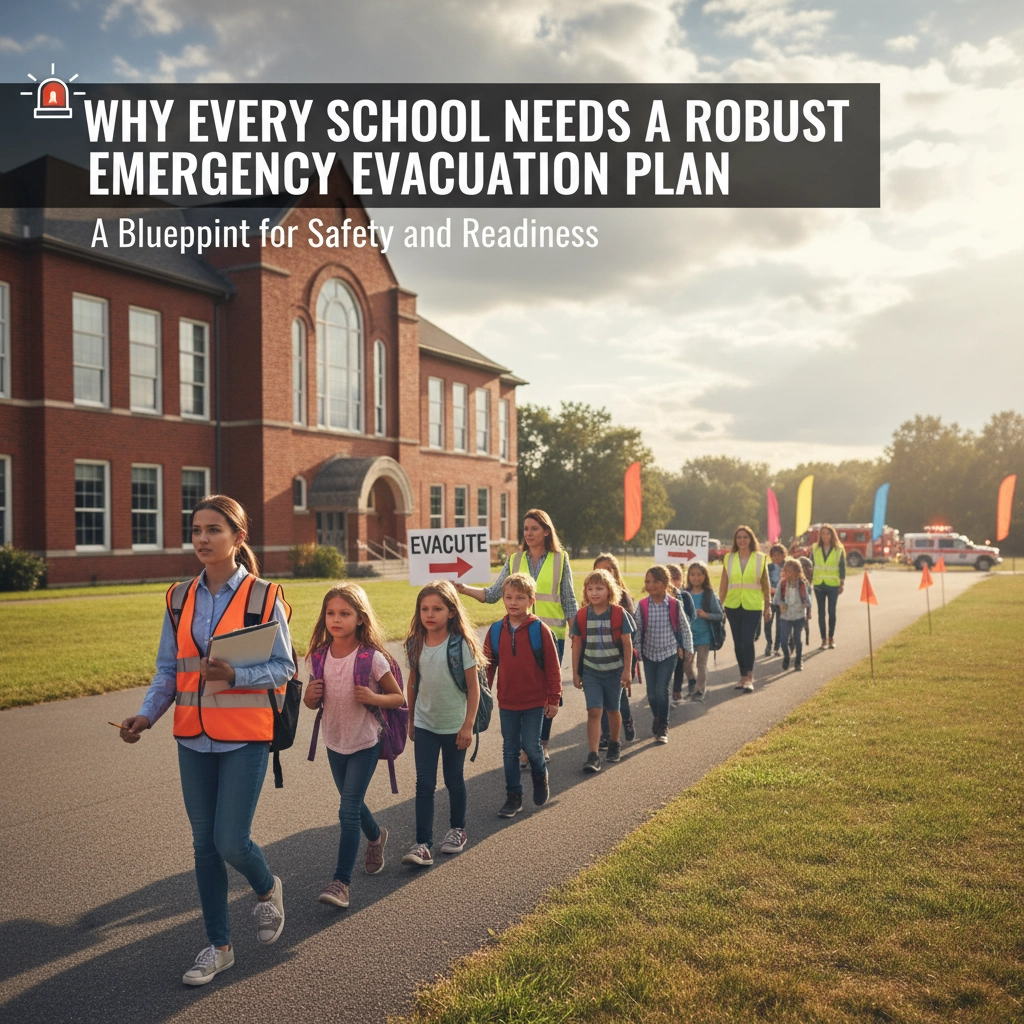
Picture this: it's a busy Tuesday morning at your school. Students are settling into their lessons, teachers are preparing for the day ahead, and then suddenly, the fire alarm sounds. What happens next could be the difference between a minor disruption and a major tragedy.
At Terra Firma 360, we firmly believe that everyone has the right to get home safely – and that includes every single person who walks through your school gates each day. A robust emergency evacuation plan isn't just a box-ticking exercise; it's a fundamental responsibility that could save lives.
The Stark Reality of School Emergencies
You might think emergencies in schools are rare, but the reality is quite different. From fires and gas leaks to severe weather events and false alarms, schools face a variety of potential emergencies throughout the year. When these situations arise, there's no time to figure things out on the spot – you need a plan that everyone knows inside and out.
During my years as a health and safety consultant, I've witnessed firsthand what happens when schools are unprepared. The confusion, the panic, the precious minutes lost while people try to work out what to do.

Legal Requirements You Can't Ignore
Let's start with the basics – you're legally required to have an emergency evacuation plan. Under the Regulatory Reform (Fire Safety) Order 2005, all UK schools must have a fire safety risk assessment and emergency evacuation procedures in place. But it goes beyond just fire safety.
The Health and Safety at Work etc. Act 1974 places a duty on employers to ensure the health, safety, and welfare of employees and others who may be affected by their activities. This includes having proper emergency procedures for all reasonably foreseeable scenarios.
Your local authority and Ofsted may also expect to see evidence of robust emergency planning during inspections. But here's the thing – compliance shouldn't be your only motivation. This is about protecting the people in your care.
When Seconds Count: The Life-Saving Impact
During an emergency, every second matters. A well-drilled evacuation plan can mean the difference between everyone getting out safely and facing potential casualties. Students and staff who know exactly where to go and what to do will move quickly and calmly, reducing the risk of injuries from panic or confusion.
Think about your youngest and SEND pupils – they look to adults for guidance in scary situations. If your staff are confident in the evacuation procedures, that calm authority will transfer to the children, helping them follow instructions and stay safe.

Reducing Panic and Chaos
Without a clear plan, emergencies quickly descend into chaos. People don't know which exit to use, where to gather, or who's responsible for what. Imagine if one exit cannot be used due to smoke and fire, what's your next move? This confusion can lead to bottlenecks at exits, people going the wrong way, or even individuals being left behind.
A robust evacuation plan eliminates this confusion by providing clear, simple instructions that everyone can follow. When people know what's expected of them, they're far more likely to remain calm and act appropriately.
Meeting Everyone's Needs
Your evacuation plan must work for everyone in your school community, including students with disabilities, mobility issues, or special educational needs. This requires careful consideration of individual requirements and may involve Personal Emergency Evacuation Plans (PEEPs) for specific students or staff members.
Consider students who use wheelchairs, those with hearing or visual impairments, or children with autism who might find the stress of an evacuation particularly challenging. Your plan needs to account for these individuals and ensure they can evacuate safely alongside everyone else.
Also, people such as visitors, temporary staff, lone workers and groups leading the facilities must also be considered in the plan.

Supporting Your Staff's Confidence
Your teaching and support staff need to feel confident in their ability to keep students safe during an emergency. A comprehensive evacuation plan, backed up by regular training and practice drills, gives your team the knowledge and confidence they need to act decisively when it matters most.
When staff members understand their roles and responsibilities, they can focus on supporting students rather than worrying about what they should be doing. This clarity of purpose is invaluable during high-stress situations.
Peace of Mind for Parents and Families
Parents trust you with their most precious things – their children. They need to know that you're prepared for any eventuality and that their child will be kept safe, no matter what happens during the school day.
A robust evacuation plan, communicated effectively to parents, demonstrates your commitment to their children's safety. It shows that you've thought carefully about potential risks and have measures in place to deal with them.
Coordination with Emergency Services
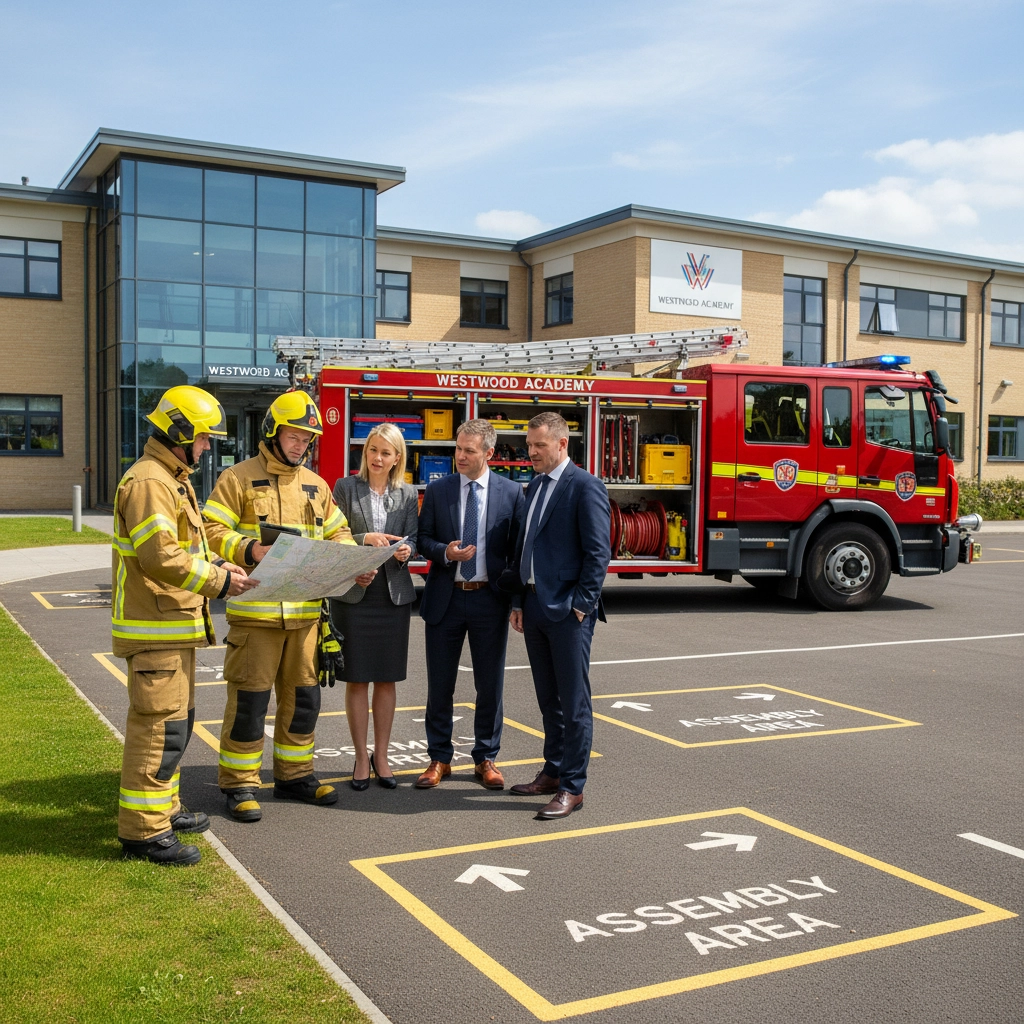
Your evacuation plan shouldn't exist in isolation – it needs to work seamlessly with local emergency services. Fire services, police, and ambulance crews need to understand your building layout, evacuation routes, and assembly points so they can respond effectively.
Regular liaison with these services, sharing your plans and conducting joint exercises where possible, ensures everyone's on the same page when a real emergency occurs.
The Business Case: Protecting Your Reputation
Beyond the moral and legal obligations, there's also a practical business case for robust emergency planning. A school that handles an emergency well protects its reputation and maintains community confidence. Conversely, poor emergency response can have lasting negative impacts on enrolment, staff retention, and community trust.
Key Elements of an Effective Plan
So what makes an evacuation plan truly robust? Here are the essential components:
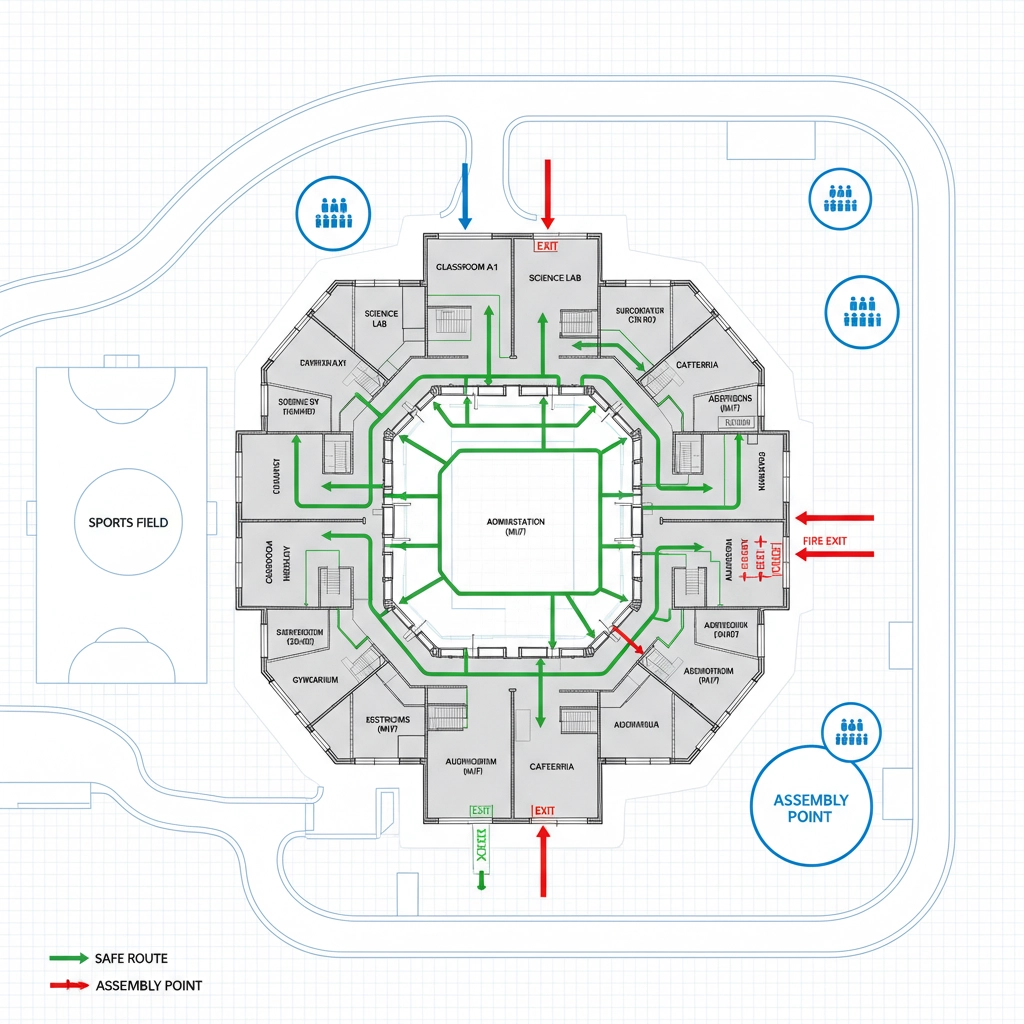
Clear evacuation routes – Multiple routes from each area of the building, clearly marked and regularly checked to ensure they remain unobstructed.
Designated assembly points – Safe locations away from the building where everyone can gather and be accounted for.
Defined roles and responsibilities – Every member of staff should know exactly what they need to do, from sweeping classrooms to supporting vulnerable students.
Communication systems – How will you alert everyone to the emergency and coordinate the response?
Visitor management – Don't forget about visitors, contractors, and groups leading the facilities who may be on site.
Regular reviews and updates – Your plan should be a living document that evolves with your school's changing needs.
Making It Work: Training and Practice
Having a plan on paper is just the starting point. The real test comes in the implementation. Regular fire drills are essential, but don't stop there. Consider practising different scenarios and varying the conditions – what if the main exit is blocked? What if the alarm system fails?
Every member of staff should receive comprehensive training on emergency procedures, and new staff should be inducted as part of their orientation process. Students also need age-appropriate education about emergency procedures so they understand what's expected of them.
How Terra Firma 360 Can Help
At Terra Firma 360, we understand the unique challenges schools face when it comes to emergency planning. Our team of experienced consultants can work with you to develop, implement, and maintain evacuation procedures that are tailored to your specific needs.
We don't believe in one-size-fits-all solutions. Every school is different, with its own layout, challenges, and community. That's why we take the time to understand your particular circumstances and develop plans that work for your reality.
From initial risk assessments through to staff training and regular plan reviews, we're here to support you every step of the way. Because at the end of the day, everyone deserves the right to get home safely – and that includes every member of your school community.
Your emergency evacuation plan isn't just about ticking boxes or satisfying inspectors. It's about fulfilling your fundamental duty of care to the students, staff, and visitors who trust you with their safety every single day. In a world where we can't predict what tomorrow might bring, being prepared isn't just sensible – it's essential.
Ready to review your current emergency procedures or develop a more robust plan? Get in touch with our team to discuss how we can help keep your school community safe.